Bridge the gap between science and policy.
The PhD in Biodefense at the Schar School prepares students to serve as scholars and professionals in biodefense and biosecurity. The program integrates knowledge of natural and man-made biological threats with the analytic skills to develop policies and strategies that strengthen national and global security.
Quick strengths
- Cross-disciplinary training in science, technology, and security policy
- Faculty mentorship and research opportunities in biodefense and biosecurity
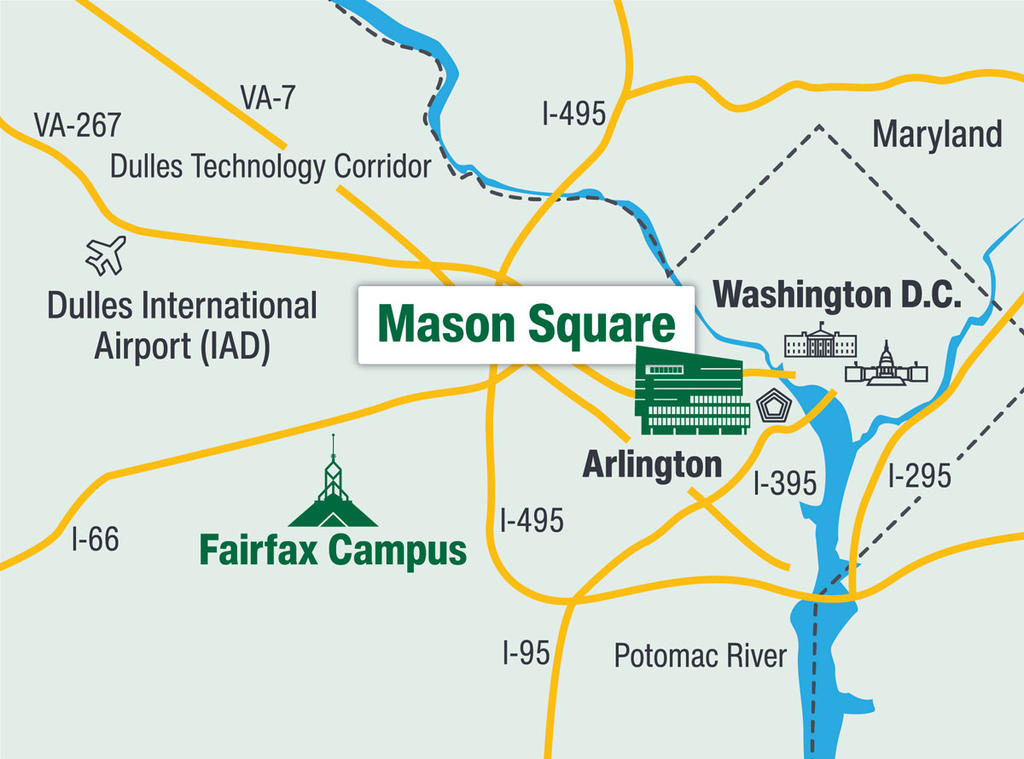
- D.C.-region access to federal agencies, research institutions, and security networks
Biodefense Program News
- May 21, 2025
- January 23, 2025
- May 9, 2024
- May 6, 2024
- July 18, 2023


“My educational experience has enabled me to connect the realms of science and policy, furnishing me with a solid grounding in microbiology and biotechnology, coupled with a broader understanding of security and organizational dynamics.”
Ryan Houser
PhD in Biodefense
Coursework
The biodefense doctoral program requires 72 credits of coursework.
- Eight required courses in the core program
- Two required field seminars and two elective courses in one of the three fields of specialization (International Security; Terrorism and Homeland Security; Technology and Weapons of Mass Destruction)
- Two additional courses outside of the specialization taken at the Schar School
- Two elective courses from fields other than your chosen field of specialization
- Additional electives (typically 3 to 6 courses, chosen in consultation with an advisor) to complete the remaining 72 credits required for degree completion
- Dissertation focused on biodefense topic to be presented to PhD committee
Customizable to Your Schedule
- Campus is located on the metro line in the Washington, D.C., area
- Choose to study part time or full time
- Classes are held on weekday evenings in case you want to balance work and school

Employers of Recent Graduates
Centers for Disease Control and Prevention (CDC)
Defense Health Agency, Clinical Investigations Program Office
National Institutes of Health (NIH)
Penn State University
The Council on Strategic Risks
U.S. Department of Labor
U.S. Department of State
U.S. Department of the Treasury
Yonsei University